Tillingham
East Sussex, England
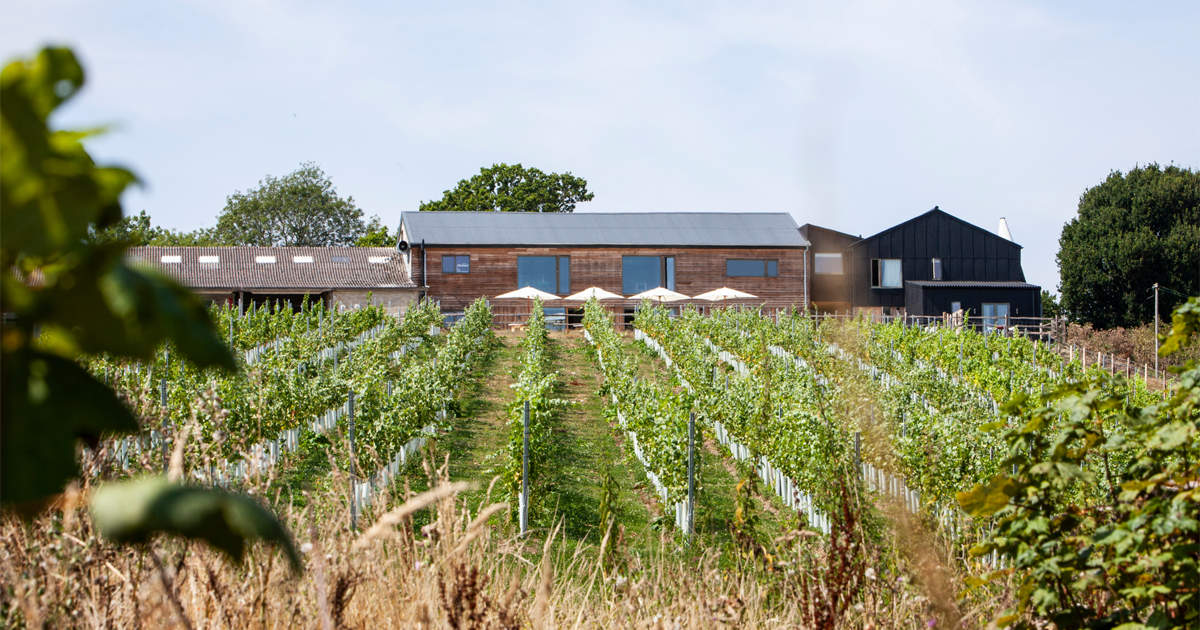
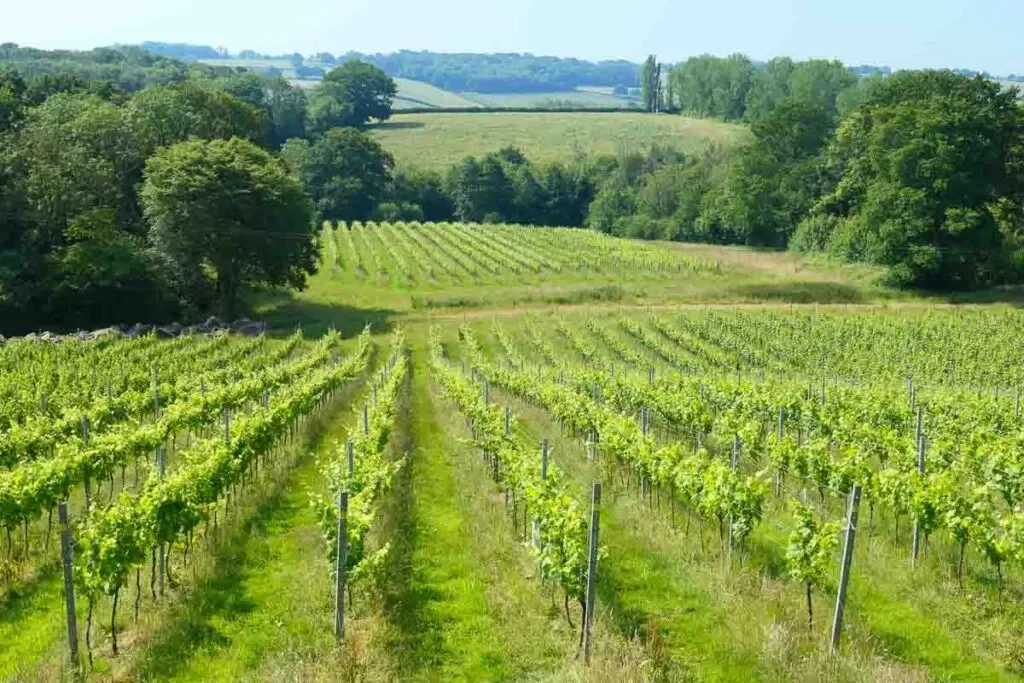
Tillingham Is set amongst 70 acres of rolling hills and woodlands with far reaching views along the Tillingham River valley, located near Rye in East Sussex, England.
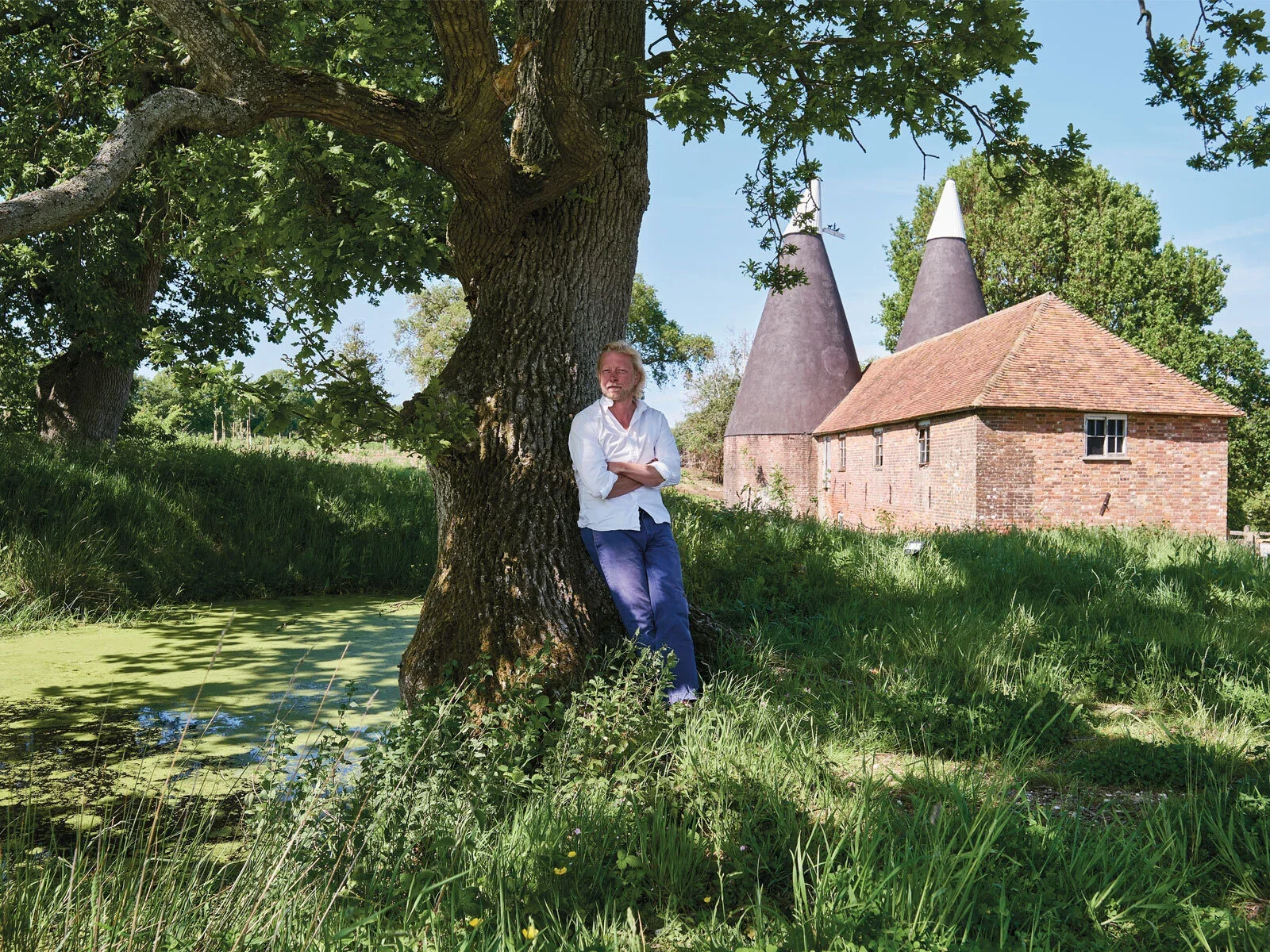
Tillingham’s co-founder and winemaker, Ben Walgate has been carefully cultivating a philosophy of grape growing and farming that invests in the microbiome of the earth beneath the vines which benefits the biodiversity of the farm and the surrounding landscape. Walgate’s holistic approach involves ploughing deep into the ancient roots of agricultural and viticultural history to discover timeless wisdom, combining this with modern, scientific knowledge and techniques to create a sustainable system of quality wine production. His method involves a combination of biodynamic and regenerative agriculture practices both of which aim to reverse the damaging effects that intensive, industrial farming conventions have had on the health of the soil and the environment.
Tillingham had planted 10,000 vines in 2018 and another 30,000 in 2019. There are 21 different varieties, but with clonal variations there are actually 32 (for example, there are five Pinot Noirs, four Chardonnays and two clones of Pinot Gris), planted on a series of mudstones, sandstones, ironstones with clay over the top - called Ashdown Beds. Walgate said he always wanted to do more still than sparkling;
"I knew from buying Dornfelder and the Germanic varieties that year-in, year-out, you will be able to do something on the still wine category."
With Chardonnay and Pinot Noir he could make still wines in some years, but in other years he might want to do traditional method sparkling with them. Across the Germanic varieties, he has Ortega, Muller Thurgau, Schönberger, Regent, Faberrebe and a few others. Then there’s Pinot Noir, Chardonnay and Pinot Meunier. And then Pinot Gris. In the second year he planted some Pinot d’Aunis and also Gamay. There’s a bit of Chenin Blanc on an experimental block called Copp’s Bank, which is quite sheltered.
"Then down the bottom there is some Manzione Bianco and Trousseau. It does seem like folly, having so many cuvées, but it has worked so well for us. The fact that the vines are small production means they are fun to make and there is not too much pressure with the winemaking. It also makes the wines inherently scarce."
2020 was the first harvest of estate grown fruit. Up until this point, Ben has sourced from local growers (some adhering to organics, some farmed conventionally - such is the paucity of sustainably grown fruit in the UK)...
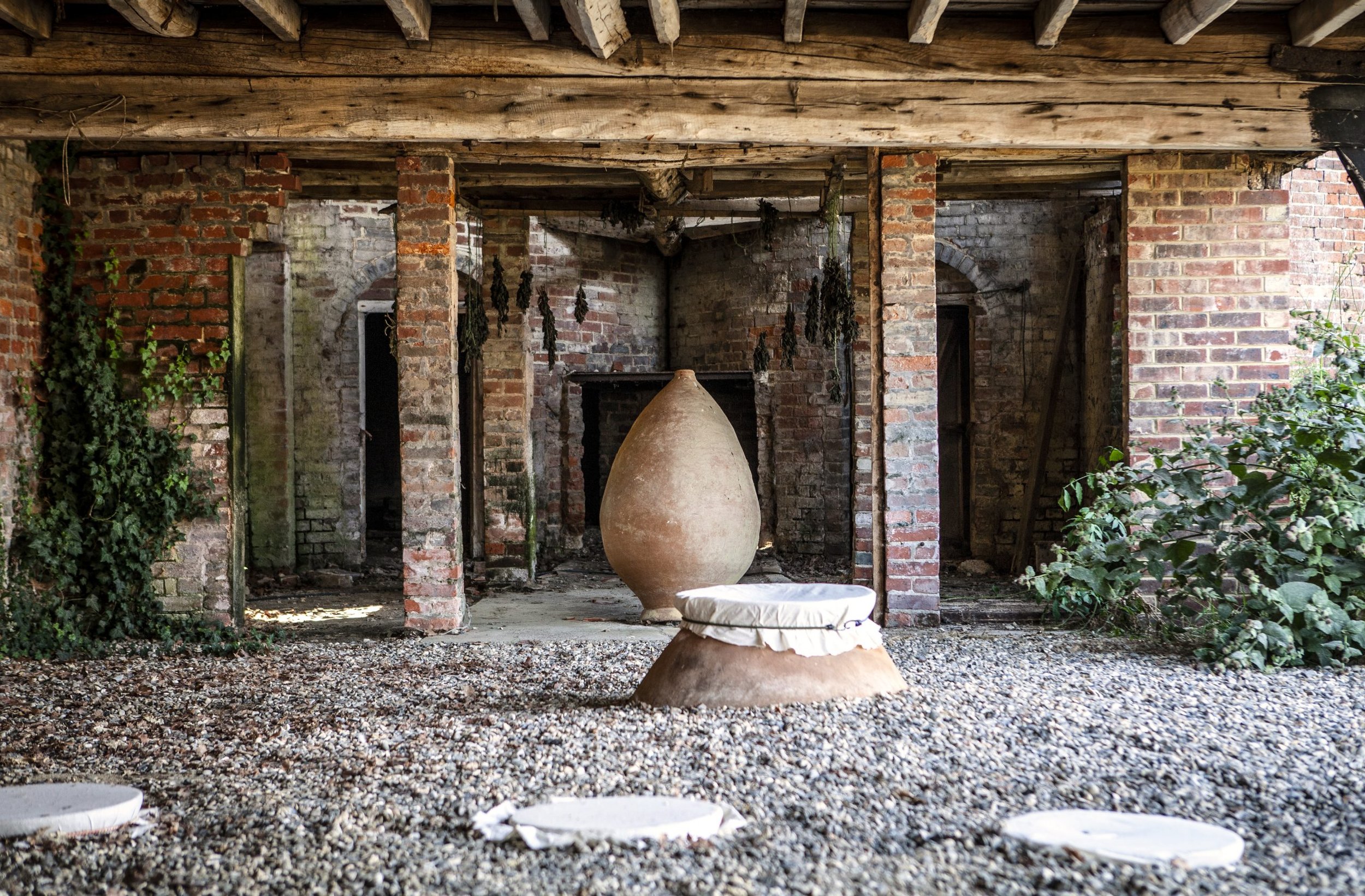
His interest in biodynamics, inspired by a tour of Burgundy, galvanised a desire to work according to natural precepts in the winery, and a conversation with John Wurdeman of Pheasant’s Tears at the 2017 Real Wine Fair in London, spurred Ben to order two qvevri from Georgia in which he would be able to ferment some wine. After the terracotta pots (one 200-litre, the other 400-litre) were delivered to the farm – the day before harvest – they were buried in holes excavated in the ground with a micro-digger, under an oast house adjacent to the main winery building.